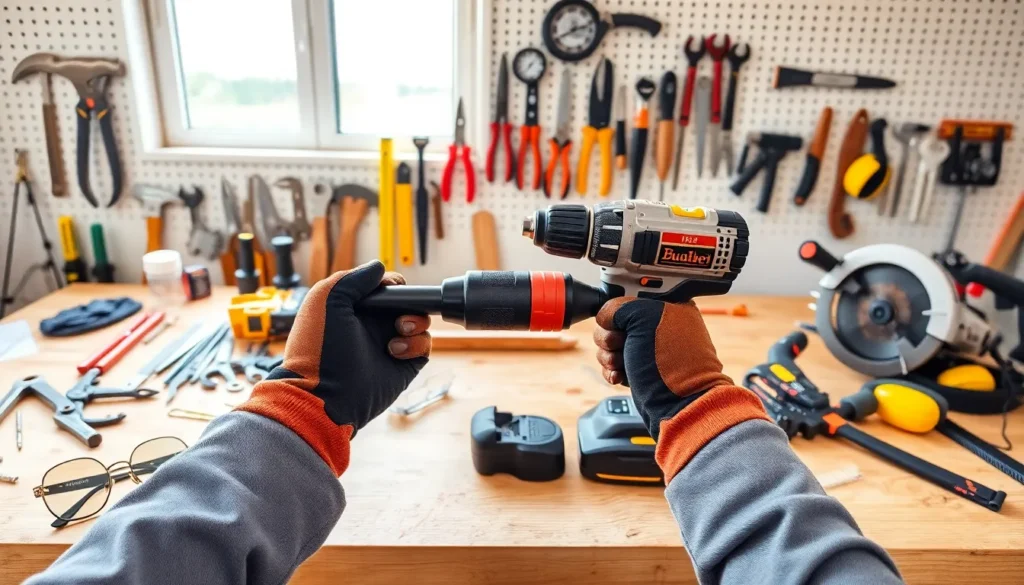

Learning how to use tools properly can save money and boost confidence around the house. Whether someone wants to hang a picture frame or build a bookshelf, the right tools make the job easier. This guide covers essential hand tools, basic power tools, safety practices, and maintenance tips. Beginners will find practical advice to start their tool collection and use each item correctly. By the end, readers will know which tools to buy first and how to handle them safely.
Table of Contents
ToggleKey Takeaways
- Learning how to use tools properly saves money and builds confidence for tackling household projects.
- Essential hand tools for beginners include a claw hammer, screwdrivers, tape measure, pliers, adjustable wrench, and level.
- A cordless drill is the most versatile power tool for beginners, while circular saws and jigsaws handle most cutting tasks.
- Always wear protective gear—safety glasses, gloves, and hearing protection—when using tools to prevent injuries.
- Inspect tools before each use and never disable built-in safety features on power equipment.
- Maintain your tools by cleaning after use, keeping blades sharp, and storing them in a dry location to extend their lifespan.
Essential Hand Tools Every Beginner Should Know
Hand tools form the foundation of any toolkit. They require no electricity, cost less than power tools, and work well for most basic projects. Here are the must-have hand tools for beginners.
Hammer
A claw hammer handles most household tasks. The flat face drives nails into wood, while the curved claw pulls them out. A 16-ounce hammer offers enough weight for most jobs without causing fatigue. Beginners should grip the handle near the end for maximum leverage and strike nails straight to avoid bending them.
Screwdrivers
Every toolkit needs both flathead and Phillips screwdrivers. Flathead screwdrivers fit single-slot screws, while Phillips screwdrivers work with cross-shaped slots. A set with multiple sizes covers most household needs. Users should match the screwdriver tip to the screw size to prevent stripping.
Tape Measure
Accurate measurements prevent costly mistakes. A 25-foot tape measure works for most home projects. The hook at the end slides slightly, this is intentional and ensures accurate readings whether pushing against a surface or hooking an edge.
Pliers
Needle-nose pliers grip small objects and reach into tight spaces. Slip-joint pliers adjust to grip various sizes. Both types help with gripping, bending, and pulling tasks that fingers cannot handle alone.
Adjustable Wrench
This tool tightens and loosens nuts and bolts of different sizes. One 10-inch adjustable wrench can replace an entire set of fixed wrenches. Users should position the wrench so the force pushes against the fixed jaw, not the adjustable one.
Level
A spirit level ensures pictures hang straight and shelves sit flat. A 24-inch level works for most projects. The bubble should rest between the center lines when a surface is perfectly horizontal or vertical.
Basic Power Tools and Their Uses
Power tools speed up larger projects and reduce physical effort. Beginners should start with a few versatile options before expanding their collection.
Cordless Drill
A cordless drill ranks as the most useful power tool for beginners. It drills holes and drives screws quickly. Look for a model with variable speed control and a clutch setting to prevent over-driving screws. An 18-volt or 20-volt battery provides enough power for most tasks.
Circular Saw
This tool cuts straight lines through wood, plywood, and other materials. A 7¼-inch blade handles most cutting jobs. Users should clamp the workpiece securely and let the saw reach full speed before starting the cut. Circular saws can intimidate beginners, but proper technique makes them safe and efficient.
Jigsaw
A jigsaw cuts curves and shapes that a circular saw cannot. It works well for cutting holes in countertops or making decorative cuts in wood. Different blades cut different materials, including wood, metal, and plastic.
Random Orbital Sander
Sanding by hand takes hours. A random orbital sander finishes the job in minutes and produces a smooth surface without swirl marks. Start with 80-grit sandpaper for rough surfaces and move to 220-grit for a fine finish.
Impact Driver
While a drill can drive screws, an impact driver does it faster and with more torque. This tool excels at driving long screws or fasteners into dense materials. Many professionals carry both a drill and an impact driver.
Safety Tips for Using Tools Properly
Knowing how to use tools safely matters as much as knowing how to use tools effectively. Injuries happen when users rush, skip precautions, or use the wrong tool for a job.
Wear Protective Gear
Safety glasses protect eyes from flying debris. Work gloves shield hands from splinters and sharp edges. Hearing protection reduces noise damage when using loud power tools. Steel-toed boots prevent foot injuries from dropped objects.
Inspect Tools Before Use
Cracked handles, dull blades, and frayed cords create hazards. Users should check each tool before starting a project. A damaged tool works poorly and increases the chance of injury.
Use the Right Tool for the Job
A butter knife is not a screwdriver. A wrench is not a hammer. Using tools incorrectly damages both the tool and the workpiece. It also puts the user at risk. Taking time to select the proper tool prevents frustration and accidents.
Keep Work Areas Clean
Clutter causes trips and falls. Sawdust obscures vision. Cords create tripping hazards. A clean workspace allows users to focus on the task and move safely.
Never Disable Safety Features
Power tools include guards and safety switches for good reason. Removing or bypassing these features dramatically increases injury risk. Users should keep all safety mechanisms in working order.
How to Maintain and Store Your Tools
Proper care extends tool life and keeps them working safely. Neglected tools rust, dull, and eventually fail. A few simple habits make a big difference.
Clean Tools After Each Use
Wipe metal surfaces with a dry cloth to remove moisture and debris. Brush sawdust from power tool vents. Clean tools last longer and perform better.
Keep Blades and Bits Sharp
Dull blades require more force, which increases fatigue and accident risk. Sharpen drill bits, saw blades, and chisels regularly. Replace blades that cannot be sharpened.
Lubricate Moving Parts
A drop of oil keeps pliers, adjustable wrenches, and other tools operating smoothly. Check manufacturer guidelines for specific lubrication needs on power tools.
Store Tools in a Dry Location
Moisture causes rust. A toolbox, pegboard, or cabinet in a dry area protects tools from humidity. Hanging tools on a pegboard also makes them easy to find.
Charge Batteries Properly
Cordless tool batteries last longer with proper charging habits. Remove batteries from chargers once they reach full charge. Store batteries in a cool, dry place away from extreme temperatures.